Q: What are your turnaround times?
A: It depends on what work is necessary, part order times and also pending workloads. From late October until June, work backs up for several days to weeks, so customers are encouraged to book their machines in during the cooler months if possible to avoid delays.
Q: My mower is old and/or high hours. Is it worth repairing?
A: In most cases, yes. Most issues with mowers are wear and tear, overdue maintenance or damage/weathering related. Even in cases of catastrophic mechanical failure, a replacement engine or transmission is much cheaper than purchasing a new mower. Regular maintenance and repairs can keep a machine going for as long as parts are available for it.
The only exception to this is mowers that are so old or badly damaged that they are not viable to repair. This typically applies to machines over 25 years old, or models that are not supported by the manufacturer.
Q: How much does it cost to repair a ride on mower?
A: That depends on what the mower needs, but can be as little as $50 for a simple 2 minute check and fix, up to thousands for major overhauls. Typically, a mower that has had little or no servicing for years will require repairs that range from a few hundred to over a thousand dollars. This will include fixing many niggling and irritating issues that have accumulated over time and can be fixed all at once while the mower is in the workshop.
Q: What makes/models are the best for performance and reliability?
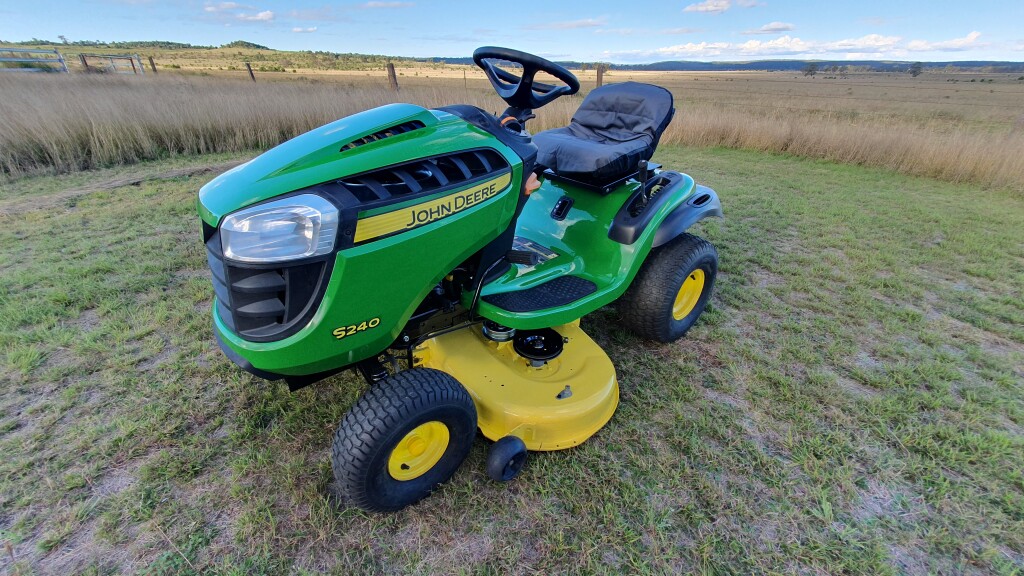
A: This can be a debatable topic, but generally the larger brands (John Deere, Scag, Toro, Husqvarna, Craftsman, Redmax, McCullough, Dixon, Ferris, Bobcat etc) generally produce more durable machines and offer better long term support. Beware of cheaper brands which may look flash, but are engineered for cheap mass production and not for durability or long term support. Having to frequently bring a mower in for repairs will quickly eat up the initial savings from the purchase price.
Q: What are the common problems with ride on mowers?
A: There are several, which are common to all makes and models:
Oil leaks – caused by hardened gaskets and o-rings, typically simple to fix.
Engine damage/total destruction – caused by low oil and/or driving on steep slopes. This is extremely common because people rarely check the oil level, and don’t realize that oil consumption is higher in these engines because of the high temperatures at which they operate. Engines that experience this kind of catastrophic failure can sometimes be rebuilt if the damage is limited to moving components, otherwise a new or used replacement is installed.
Cracked/damaged cutting decks – caused by vibration, impact damage, stones etc. Welding cracks is a common service task. Front skirt and chute reconstruction is also common as these parts of the deck are the first to show signs of wear and damage.
Blocked carburetors – caused by dirt and moisture in the fuel tank and lines, or very old fuel that has been sitting for years. Fixed by cleaning or replacing affected parts.
Dead batteries – can be old age, or faulty charging circuit. Charge testing is a regular service task.
Snapped/damaged belts – this occurs through normal use, as belts wear out over time, but can be worsened by cutting too fast into thick or tall grass, striking rocks and branches etc. Belt replacement is the only fix.
Noisy and/or seized bearings – similar to belts, bearings wear out or become damaged through shock loading. Routinely replaced as needed.
Transmission failure – particularly common with hydrostatic transmissions, this happens as pump rotors wear and eventually require surface machining to restore their pressure again. Most transmissions can be rebuilt at a cheaper cost than a replacement.
Flat/leaking tyres – can be due to punctures or old age as the rubber hardens. The best fix here is to install a tube, which holds air regardless of the age and condition of the tyre. The use of liquid or aerosol type sealants and leak repairs is discouraged, as these are designed for emergency use only and often fail as well as cause corrosion of the rim if left inside the tyre.
Q: My mower often needs belts, bearings and blades replaced. Is this normal?
A: Yes. All ride on mowers and zero turn mowers require regular part replacements as part of their maintenance schedule. This can range from 30 hours to 200 hours, depending on how hard the machine is being worked, and what type of terrain and turf it is cutting. Exposure to moisture (wet grass, rain, hosing down after use, damp or exposed storage), will accelerate component wear significantly.
Q: What is the life expectancy of a ride on or zero turn mower?
A: This is very much dependent on design and how it is used. Mowers can last for thousands of hours, or suffer total failure after less than a hundred hours. Consider the individual components:
Engine: 500 to 4000 hours, depending on make/model, usage patterns and servicing habits.
Cutting deck: 200 to 1500 hours
Chassis: Forever, if not abused or poorly designed.
Driveline/transaxle: 400 to 2000 hours, depending on use, servicing and model.
Steering, wheels and tyres: 400 to 4000+ hours, or until too perished to be trusted.
Ultimately, most mowers fail prematurely due to lack of maintenance and abuse. It is common to discard them because of entirely fixable issues, in the belief that purchasing another mower will avoid future problems. This works, until the replacement mower requires servicing, at which time the same issues as the previous mower occur. Regular servicing and repairs with quality components, as well as sensible use, will keep a mower running for almost as long as it is needed.